
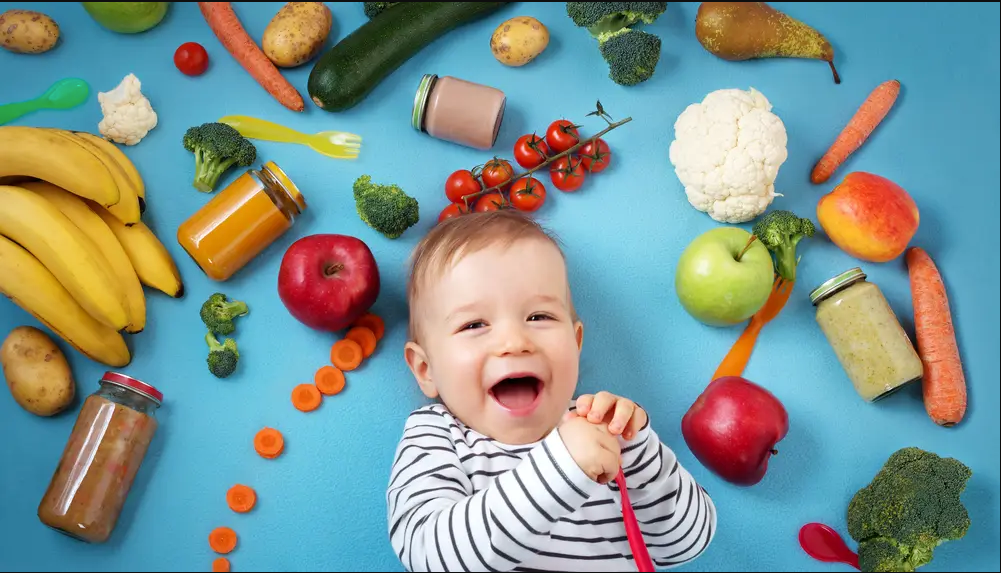
Introducing solid foods to a baby is an important milestone, and it can feel overwhelming for many parents. Knowing when to start, what signs to look for, and how to proceed can help make the transition smoother and safer. While every child develops at their own pace, there are general guidelines that can help you decide when your baby is ready for solids.
Signs to Look for Before Introducing Solids
Most babies are ready to start solids around 6 months of age, but readiness depends more on developmental signs than on a specific age. Before introducing solids, look for these key indicators:
- Good head and neck control – A baby should be able to hold their head up steadily and sit with minimal support.
- Interest in food – Many babies show curiosity by watching adults eat, reaching for food, or opening their mouth when offered a spoon.
- Ability to swallow – The baby should be able to move food to the back of the mouth and swallow rather than pushing it out with the tongue.
- Weight gain and growth – Some babies may need additional nutrition beyond breast milk or formula if they are growing rapidly.
These signs can help you gauge readiness, and for more detail on how to introduce solids safely, you may want to consult a health professional.
It is important to remember that starting solids too early can increase the risk of choking and may contribute to digestive issues. If you are unsure whether your baby is ready, it is always a good idea to consult your paediatrician or a qualified health professional.
How to Start Solids Safely
When you decide to introduce solids, start with single ingredient foods. Common first foods include:
- Pureed vegetables like sweet potato or carrot
- Pureed fruits such as banana or pear
- Iron fortified baby cereal
Introduce one new food at a time and wait 3 to 5 days before trying another. This helps you identify any food allergies or sensitivities. Signs of a reaction can include rash, vomiting, diarrhoea, or swelling. If you notice any of these symptoms, stop the food and seek medical advice.
It is also important to consider texture as your baby becomes more comfortable with eating. As they grow, you can gradually move from smooth purees to thicker purees, then to mashed foods and soft finger foods. This helps develop chewing skills and encourages independence at mealtimes.
Avoiding Common Mistakes
A common mistake is offering solids too early because the baby seems hungry. While hunger is a factor, developmental readiness is more important. Another mistake is assuming that solids will replace milk quickly. In the early stages, breast milk or formula should remain the primary source of nutrition.
It is also wise to avoid certain foods early on, such as honey, which can cause botulism in infants under 12 months, and foods that pose a choking risk like whole grapes or nuts. To prevent choking when starting solids, focus on soft, mashed textures and avoid hard or small, round foods. Additionally, it is best to limit added salt and sugar, as babies do not need these in their diet.
Understanding “Responsive Feeding”
One concept that can make introducing solids easier is responsive feeding. This method encourages parents to respond to their baby’s hunger and fullness cues rather than following strict rules. Responsive feeding supports a healthy relationship with food and helps babies learn to eat at their own pace.
Final Thoughts
Introducing solids is an exciting step in your baby’s development, but it does not need to be stressful. Focus on readiness signs, start slowly with simple foods, and follow your baby’s cues. Mealtimes can be an opportunity for learning and bonding, so try to keep the experience positive even if your baby is messy or seems uninterested at first.
Over time, your baby will become more comfortable with new flavours and textures, and you can gradually expand their diet. If you have concerns about feeding or growth, it is worth discussing them with a health professional. With patience and consistency, you will help your baby build a positive foundation for healthy eating.