Introduction
In today’s globalized world, children are growing up in an environment that is far more connected than ever before. Technology, travel, and cultural exchange have made it possible for young minds to experience different traditions, languages, and ways of life from an early age. This kind of exposure plays a powerful role in shaping a child’s personality, confidence, and future opportunities.
Parents are now increasingly aware that education is not limited to textbooks alone. Real-world experiences and cultural understanding are equally important in developing well-rounded individuals. As a result, many families actively explore opportunities where they can
find host family options that support cultural exchange and international learning experiences for children.
In some cases, families also explore flexible childcare and cultural exchange arrangements where they can later find au pair support to help create a more globally enriched home environment.
What Is International Exposure for Children?
International exposure refers to a child’s interaction with different cultures, languages, and lifestyles outside their own country or community. This can happen through travel, education programs, cultural exchange families, or living environments that include people from different backgrounds.
Such exposure helps children understand that the world is diverse and that people may think, speak, and live differently. This awareness builds empathy, respect, and adaptability from a young age.
Why International Exposure Matters in Early Development
Childhood is the most important stage for learning and development. During these early years, children absorb information quickly and form habits that stay with them for life.
International exposure enhances this development by:
- Expanding thinking beyond local boundaries
- Improving communication skills
- Encouraging curiosity about the world
- Building emotional intelligence
Children who experience different cultures early often become more open-minded and confident in unfamiliar situations.
Language Development and Communication Skills
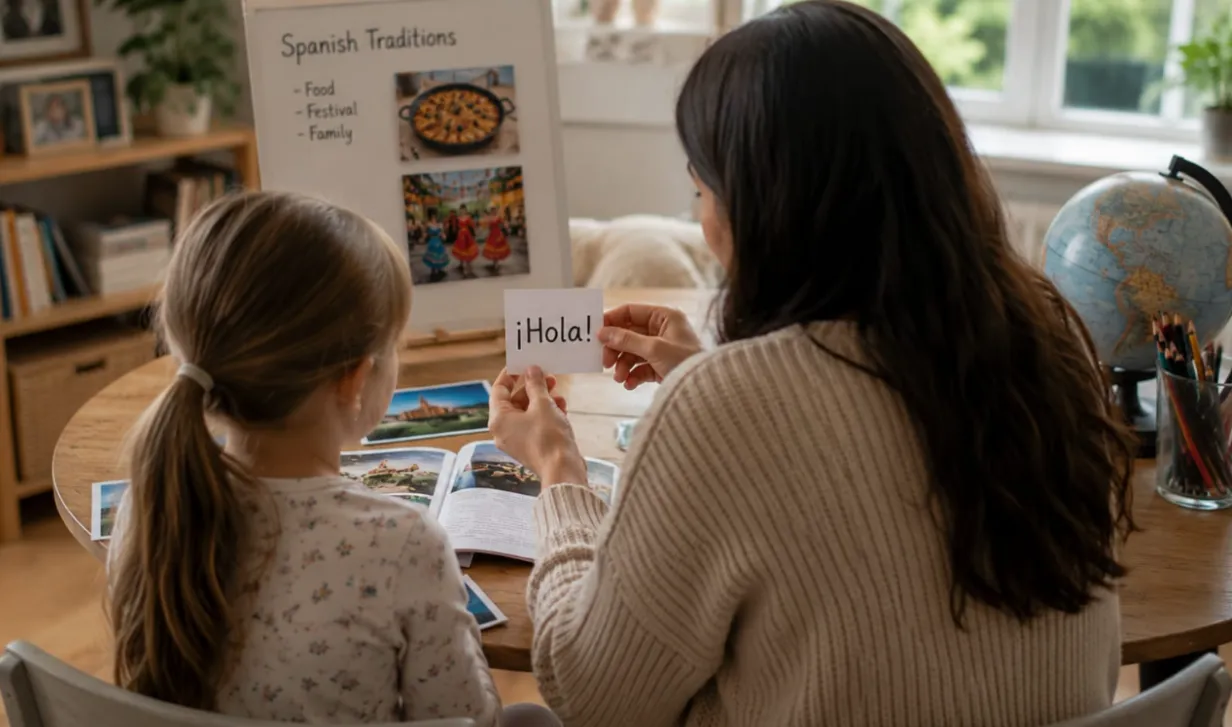
One of the biggest benefits of international exposure is improved language learning. When children hear and interact with different languages regularly, their brain becomes more flexible in understanding communication patterns.
Even if they do not become fluent in multiple languages, they develop:
- Better listening skills
- Stronger vocabulary
- Improved pronunciation awareness
- Confidence in speaking with others
This early exposure can later support academic success and career opportunities.
Building Confidence and Independence
Children who experience international environments often become more independent and self-assured. When they interact with new people, cultures, and surroundings, they learn how to adapt instead of feeling afraid of change.
This helps them:
- Handle new situations confidently
- Make decisions independently
- Adapt to different environments easily
- Develop problem-solving skills
Such qualities are extremely valuable in both personal and professional life.
Developing Cultural Awareness and Respect
International exposure teaches children that there is no single “right way” of living. Instead, they learn that every culture has its own values, traditions, and beliefs.
This understanding helps children develop:
- Respect for diversity
- Reduced stereotypes and biases
- Stronger social awareness
- Empathy toward others
In a world that is becoming more connected, cultural awareness is a key life skill.
Educational and Future Career Advantages
Children who grow up with international exposure often perform better academically and professionally. They are more comfortable working in diverse environments and collaborating with people from different backgrounds.
In the future, this can lead to:
- Better global career opportunities
- Higher adaptability in international workplaces
- Strong communication skills
- Increased creativity and innovation
Employers today value individuals who can work across cultures, making this exposure a long-term advantage.
The Role of Family Environment in Global Learning
A child’s environment plays a major role in shaping their worldview. Families that encourage cultural exchange and global thinking create stronger foundations for international understanding.
Some parents choose to connect with cultural exchange opportunities where they can find host family arrangements that support language learning and cultural interaction at home or abroad.
In other cases, families also bring global exposure into daily life by welcoming caregivers and cultural exchange participants. Many parents later choose to find au pair options to further support childcare while maintaining a culturally rich home environment.
Emotional and Social Development Benefits
International exposure is not only about education—it also impacts emotional and social growth.
Children exposed to different cultures tend to:
- Communicate more effectively with others
- Develop stronger friendships across backgrounds
- Show better emotional understanding
- Handle social situations with ease
These skills help them build healthy relationships